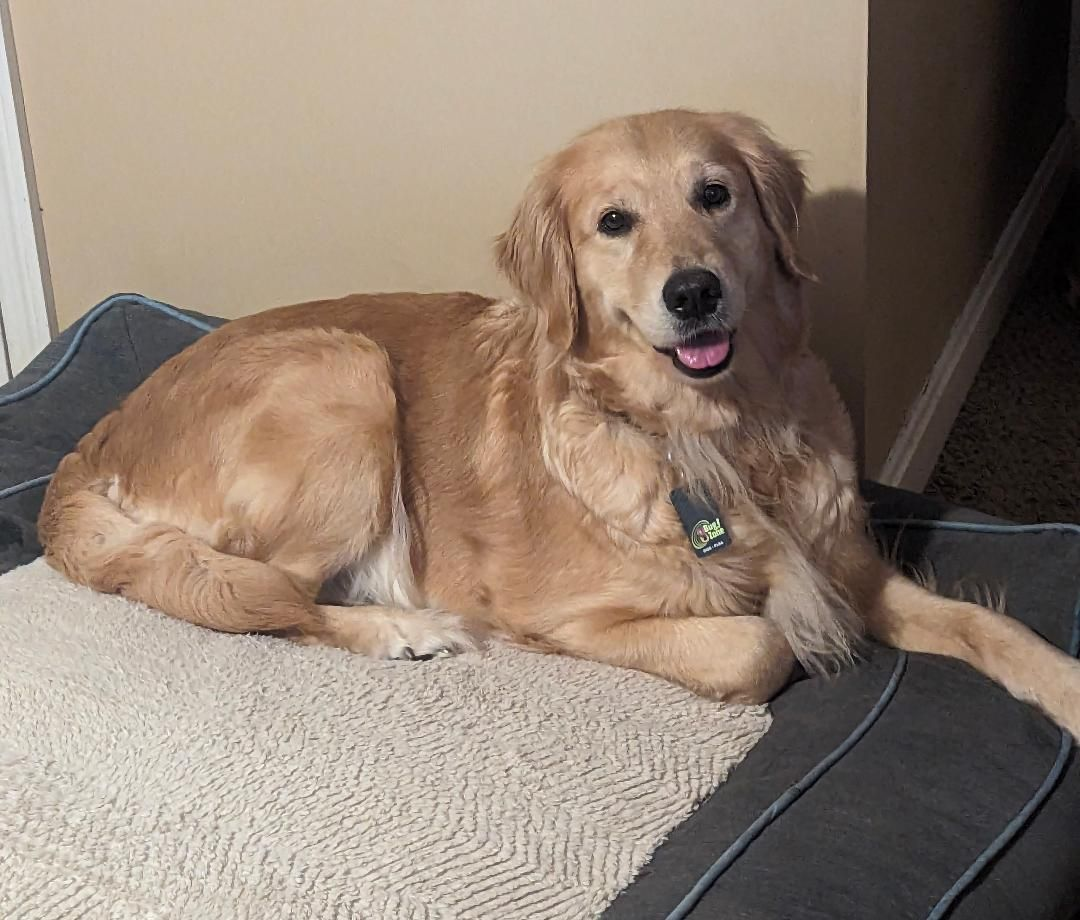
What you need to know… Dog Products that contain toxins can be harming your furry friend!
Opt for natural, non-toxic materials whenever possible.

A Guide to Dog Product Materials: Choosing Safe & Non-Toxic Pet Supplies
Our dogs interact with their products every single day — chewing toys, sleeping in beds, eating from bowls, and walking in collars and harnesses. Choosing safer materials can help reduce unnecessary exposure to harmful chemicals and create a healthier environment for your pet. In this guide we will help you understand the materials that are commonly used in dog products and also what to avoid, giving you tips on choosing safe, non-toxic options. They rely on us to choose safer products!
Why Material Choice Matters
Did you know that dogs & cats suffer many of the same disease & health issues as humans? Most chemicals used are known carcinogens & can contribute to chronic conditions over time. Even minimal exposure to toxic substances over time can contribute to chronic conditions including allergies, skin conditions, endocrine disruptions, organ damage and even cancer! Dogs are especially vulnerable because they:
- Chew and lick products frequently
- Spend long periods in close contact with beds and fabrics
- Absorb substances through paw pads, skin.
- Through their gums/oral tissues from chewing and during grooming themselves daily
- Have smaller bodies and faster exposure rates than humans
While no product can guarantee disease prevention, reducing toxic exposures is a smart step toward overall wellness.
Commonly used material
Here is the commonly used material you will encounter. It may surprise you but, there are no regulations regarding the manufacturing, which means manufactures can put pretty much anything in their products! Some manufacturers take advantage of this and opt for the cheapest materials to produce low-quality dog products, especially chew toys. I truly believe that companies should make safety their top priority, then the almighty buck! Toys are NOT regulated by the FDA and only regulated by the Consumer Product Safety Commission in regards to dog toys that may pose risks to humans. That’s it!
Collars, Harnesses and Leashes
AVOID:
- Strongly dyed materials that bleed color
- PVC-coated gear
- Cheap synthetic leather with cracking coatings
Important: Metal hardware should be rust-resistant and lead-free.
Safer Choices:
· Vegetable-tanned leather
· Organic cotton
· Hemp webbing
· Natural rubber components
· Undyed or low-dye fabrics
Material Options: Collars and leashes are commonly made from leather, nylon, cotton, or sometimes metal. Each have distinct properties:
Nylon: Lightweight and durable, but it can contain synthetic chemicals that may irritate dogs that have sensitive skin.
Leather: A natural material that is long-lasting & sturdy, leather is generally safe however it can be treated with dyes or chemicals. Look for leather that is more vegetable-tanned for a more natural option.
Cotton: A softer and more eco-friendly option, though it may not be as durable as nylon or leather.
Buckle Safety: Avoid collars with buckles made from cheap plastics or materials that may contain BPA or phthalates, which can be toxic. Instead, look for stainless steel or high-quality plastic buckles that are both durable and safe.
Dog Toys
Not all dog toys are created equal. The material used in some dog toys may seem safe at first glance but are loaded with hidden toxins.
AVOID:
- Avoid toys made from Strong chemical odors
- Soft vinyl/PVC toys
- Plastic which can contain PFAS
- Toys containing phthalates or BPA
- Cheap imported toys without safety testing information
Tip: If a toy smells strongly like chemicals when opened, it’s often best skipped.
Safer Choices:
- Natural rubber
- Organic cotton rope
- Wool or hemp felt
- Food-grade silicone
- Untreated natural wood (for appropriate chew products),
- TPR- high quality Thermoplastic Rubber is non-toxic, versatile material designed for safety free from harmful chemicals.
Dog Beds & Blankets
AVOID:
- Flame-retardant chemicals
- Waterproof coatings with PFAS (“forever chemicals”)
- Heavy synthetic fragrances
Safer Choices:
- Organic cotton
- Hemp
- Wool
- OEKO-TEX® certified fabrics
- CertiPUR-US® certified foam
Filling and Cushioning: When it comes to Dog bed filling, they can include foam, polyester, cotton, and memory foam. For orthopedic or high-quality dog beds, memory foam provides excellent support, but it’s must be free from harmful chemicals like formaldehyde or flame retardants, which may be toxic if inhaled over time.
Covering Material: Many bed covers are made of polyester, cotton, or even micro-suede. Natural, organic cotton is a good choice as it’s both hypoallergenic and easy to clean. For synthetic materials, ensure they are free from potentially toxic dyes and chemicals.
Waterproof Liners: If you choose a waterproof bed for easy cleaning, be mindful of the liner’s material. Some waterproof materials, like PVC, can emit volatile organic compounds (VOCs). Look for beds with TPU or PUL waterproof liners, which are less likely to release harmful chemicals.
Dog Clothing
Fabric Choices: Dog clothing is often made from polyester, fleece, cotton, or wool. For maximum safety, look for organic cotton or also hypoallergenic materials. Especially for dogs with skin sensitivities. Avoid synthetic fabrics treated with chemical dyes and flame retardants.
Eco-Friendly Fabrics: Hemp, bamboo and organic cotton fabrics are great alternatives that are both natural and highly durable, which offer comfort while also impact on the environment.
Food, Bowls & Treat Storage
Materials used, cheap plastics some can be painted which the coating can peel. Melamine is another to avoid. Plastics can leach chemicals over time, especially with heat, scratches or even just wear. Best Choices are stainless steel. Glass or a lead-free ceramic.
Avoid:
- Old scratched plastics
- Containers not labeled food-safe
- Melamine, cheap plastics
Safer Choices:
- Silicone food mats
- Stainless steel slow feeders
- Glass treat jars
- Lead-free ceramic
- BPA-free storage containers
Grooming Products
Avoid:
- Artificial fragrances
- Parabens
- Formaldehyde-releasing preservatives
- Harsh detergents
Dogs absorb grooming products through their skin and may lick residue from their fur.
Safer Choices:
- Fragrance-free or naturally scented, oatmeal
- Sulfate-free shampoos
- Simple ingredient lists
- Plant-based ingredients
Cleaning Products
Plant-based, unscented, pet-safe
Avoid
Bleach, ammonia, aerosol fragrances
Safer Choices:
Plant-based, unscented, pet-safe
Certifications That Can Help (TIPS)
These labels indicate stricter safety standards:
- OEKO-TEX® Standard 100
- GOTS (Global Organic Textile Standard)
- CertiPUR-US®
- organic cotton” are good indicators of safe, non-toxic materials.
- BPA-free
- Food-grade silicone
- FSC-certified wood
Certifications are not perfect, but they can help narrow safer choices.
Conclusion
Materials (Toxins) to Avoid
Unfortunately, some pet products on the market use materials that may contain toxic chemicals. Here are some to watch out for:
- PVC (Polyvinyl Chloride): Often found in cheaper plastic products, PVC can release harmful chemicals, including phthalates, which may affect your dog’s respiratory system. It’s best to avoid PVC in dog collars, leashes, toys, and bedding.
- Phthalates, Bisphenol A (BPA), Vinyl, Cadmium, Low-Grade Rubber & Plastic, Chromium, Formaldehyde-found in rawhides, chew treats. Artificial Dyes, Toxic Glue & Adhesives, PFAS (“forever chemicals”).
- Flame Retardants: Some dog beds or clothing, particularly synthetic ones, may contain flame retardants. These chemicals are linked to health issues, especially when inhaled over time. Instead, look for products labeled “flame retardant-free.”
- Lead and Heavy Metals: Some pet accessories, like toys and collars, may contain trace amounts of lead or other heavy metals. This can pose serious health risks to dogs, particularly if they like to chew on their accessories. Look for products that are certified lead-free.
Materials to Choose (Natural, Non-Toxic) and Environmentally Friendly Options
Safe, non-toxic toys are essential for our dogs. By carefully selecting high-quality, non-toxic dog toys, pet owners can provide their pets hours of safe, fun playtime. The health and well-being should be our main focus in all aspects of their care, including their toys!
Opting for natural and eco-friendly materials whenever possible is not only better for your pet’s health but also for the environment. Here are some options:
- Organic Cotton: Free from harmful chemicals and soft on your pet’s skin, organic cotton is an excellent choice for beds, clothing, and toys.
- Hemp, Bamboo & Wool: Durable, hypoallergenic, and sustainable, hemp and bamboo are increasingly popular materials for pet products, from collars to bedding.
- Natural Rubber: For chew toys, natural rubber is a safe alternative to plastic-based options and doesn’t contain harmful chemicals.
Final Thought
You don’t need to replace everything overnight. Small changes, like switching to stainless steel bowls, or choosing natural-fiber bed, or just avoiding heavily scented products can help reduce your dog’s everyday exposure to potentially harmful chemicals. By being vigilant & choosing safe, high-quality, non-toxic products, pet parents can help keep their dogs healthy. Awareness saves lives.
Here are some of the products that we have used
By selecting safe, NON-TOXIC dog products and opting for a natural alternative is ESSENTIAL. It is of paramount importance for protecting our fur babies from harmful chemicals. By being vigilant about what we choose for them, you can help ensure that they lead a healthy happy life in a safer environment. Look for toys labeled as non-toxic and free from harmful chemicals and preferably made natural or organic materials whenever possible. Let’s work together to create a healthier environment for our fur-babies!
Adjustable Stainless Steel Elevated Bowls
Stainless Steel automatic Water Fountain
Bedsure Waterproof Dog Blankets for Large Dogs - Soft Print Sherpa Fleece
The Art of Raising a Puppy (Revised Edition)
Dog Chew BetterBone - Soft Density
Squeaky Natural Rubber Chew Toy Aggressive Chewers
Squeaky Natural Rubber Indestructible Chew Toy
Goughnuts chew toy
Mewlmart Giggle Ball for Dogs Owl Toys
Indestructible Dog Ball - Lifetime Replacement
Monster K9 Ring Ball | Virtually Indestructible. Lifetime Guaranteed.
Tennis Balls for Dogs - 12 Pack 2.5'' Durable Non-Toxic
Goughnuts – Virtually Indestructible Ball
Eco Sports Big Dog Soccer Ball with Straps – Non Toxic
Yomp BallBone MAX: All-Natural Rubber Dog Toy
WEST PAW Zogoflex Air Skamp Tug-of-War Stick Dog Chew Toy
Nina Woof Organic Cotton Squeaky Dog Toy Set – Fruits & Veggies Pack
Interactive Cotton Stuffed Toy
Lickin Layers Dog Treat Puzzle Feeder
Licking Mat for Dogs, Crate Lick Mats
Rescue Remedy Natural Stress & Calming Relief
West Paw Fillable Treat Toy and No Hide Treat
WOOF BullySafe - Bully Stick Holder and Redbarn Pet Products All Natural 8"-12" Bully Sticks
Natural 100% Free-Range Air Dried Chicken Feet, Chicken Feet Dental Care
Amazing Dog Treats Grass Fed Beef Cheek Rolls RAWHIDE ALTERNATIVE
100% Human Grade Organic Dog Treats
Organic Oven Baked Wetnoses Dog Treats, check out the pumpkin
Grandma Lucys Meal Replacement-For bland diet for Tummy Issues
Grandma Lucys 100% Organic Pumpkin treats for Tummy Issues
Wondercide Yard Flea, Tick Bug Repel
Wondercide Pets & Home Flea & Tick Repel
Wondercide Flea & Tick Dog Spot On Repel
Festival Dog Bandanas (9 Pack cotton)
RELATED BLOG POST